
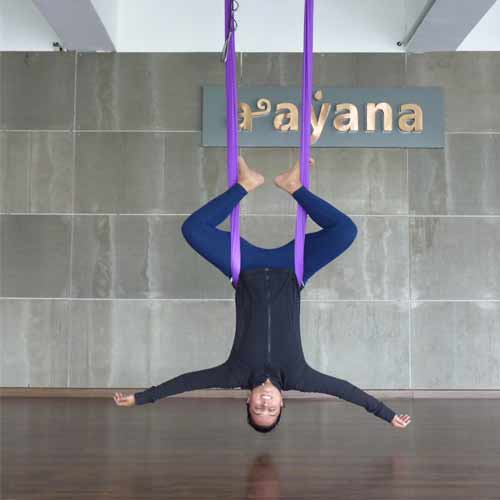
Aerial yoga beautifully blends traditional yoga poses with the supportive embrace of a yoga hammock, turning your practice into a fun and dynamic full-body experience. Practitioners often report enjoying significant aerial yoga benefits, such as enhanced flexibility, increased core strength, and better mental wellness, all while experiencing reduced pressure on the joints. This guide details how aerial yoga improves posture, alleviates stress, and provides effective relief from back pain, making it a brilliant addition to any well-rounded fitness regimen.
Want to dive deeper? Explore more about the benefits of aerial yoga and learn why enthusiasts everywhere celebrate it for its exceptional mix of physical benefits and mental advantages.
Physical benefits of aerial yoga for strength &flexibility
Aerial yoga is a fusion of traditional yoga, Pilates, and dance, all performed with a hammock that supports and stabilizes your body. This suspension encourages more profound stretches, gentle spinal traction, and improved joint mobility. It makes challenging yoga poses, like forward bends and inversions, feel more approachable and safe. While extensive research continues, many regular practitioners experience noticeable boosts in flexibility, quicker muscle recovery, and a greater sense of emotional balance from their aerial yoga practice.
For a comprehensive look at how aerial yoga benefits practitioners of all levels, notice how the sling lifts the hips, activates the core, and refines balance—key components for building strength while safeguarding sensitive joints.
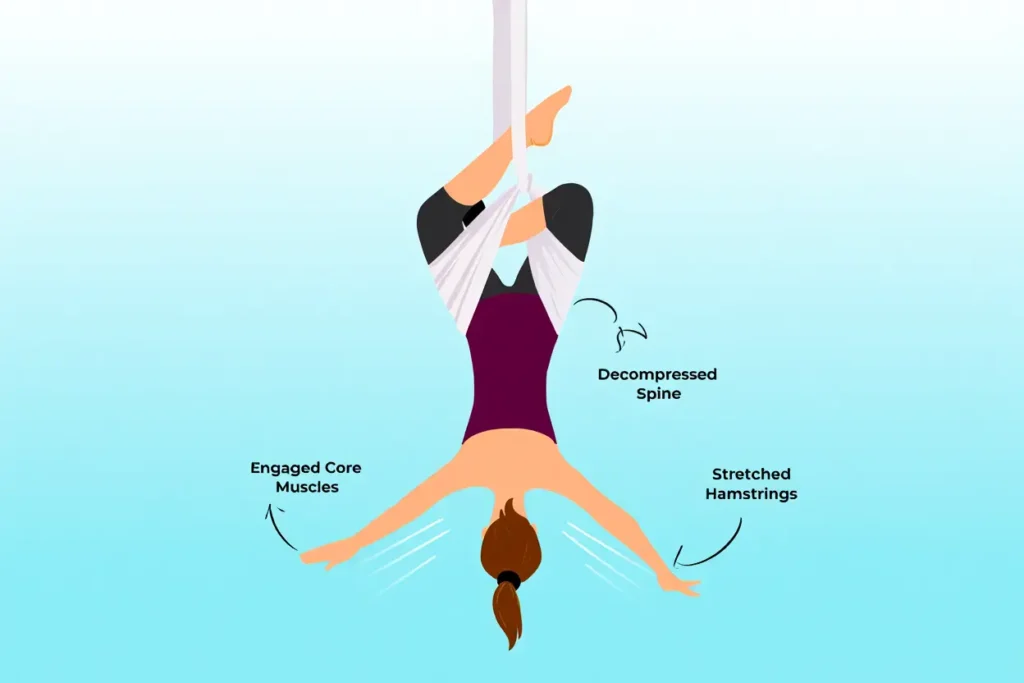
How does aerial yoga build core strength and stability?
Every suspended pose activates your abdominals, obliques, and lower-back muscles, requiring constant alignment and balance. After about four weeks of practicing twice a week, most students observe stronger core strength, better posture, and reduced lower-back discomfort. Since the yoga hammock eliminates floor pressure, each movement mimics body-weight training but is gentler on the joints, offering effective strength development without undue strain.
- Suspension planks and hanging leg lifts: These exercises boost core engagement while minimizing joint stress, allowing for longer and safer holds.
- Half-boat pose in the hammock: The sling supports the pelvis, intensifying the abdominal workout while protecting the spine.
- Dynamic transitions and sustained holds: Continuous stabilization enhances balance, alignment, and functional strength.
- Transfer to daily life: A more robust core helps maintain an upright posture, reducing back pain during everyday tasks.
The fabric helps redistribute your body weight, enabling stabilizer muscles to work more intensely without compressive forces. Consistent aerial yoga practice often leads to measurable improvements in activities like push-ups, pull-ups, and overall functional strength outside the studio.
Flexibility gains from suspended stretches and inversions
The hammock lessens ground compression, allowing you to safely extend your hamstrings, hips, and spine by about twenty percent more than in floor sessions. Inversions offer gentle spinal traction, which increases disc hydration and reduces pressure on the vertebrae—promoting relief from chronic back pain. Over time, aerial yoga improves flexibility through deeper splits, greater shoulder mobility, and more open hips—all accomplished with minimal joint strain.
Supported poses, like aerial pigeon or suspended splits, encourage tissues to adapt gradually, fostering lasting gains in your range of motion. During these extended holds, your engaged core helps maintain proper alignment, ensuring each stretch progresses safely while supporting overall balance and mental focus.
Spinal decompression and posture improvement through traction
Being upside down creates a gentle, sustained traction along the spine, which relieves lumbar tension and improves alignment. Frequent inversions counteract the daily effects of gravity, enhancing posture and promoting healthier spinal curves. Many participants experience notable relief after just a few sessions, crediting the hammock for easing pressure on the lower back and supporting natural extension.
Inverted yoga poses also boost circulation, improving oxygen delivery and potentially reducing the appearance of varicose veins. Because the yoga hammock distributes weight evenly, those with joint concerns or past spinal injuries can practice inversions with confidence, enjoying the full spectrum of benefits of aerial yoga for both physical health and mental balance.
Balance, Coordination, and Low-Impact Fitness Advantages
Aerial yoga combines physical exercise with mental relaxation, offering a truly holistic workout. Suspended inversions gently decompress the spine, relieve back tension, and boost circulation and lymphatic flow. By continuously engaging your core to hold each pose, this practice builds remarkable core strength and stability—all without putting pressure on your joints. The gentle, swaying motion of the hammock helps lower stress, enhances flexibility, and transforms your aerial yoga practice into a joyful, nearly weightless experience. Learn more about whether aerial yoga is good for you and see why this versatile activity is suitable for all ages and fitness backgrounds.
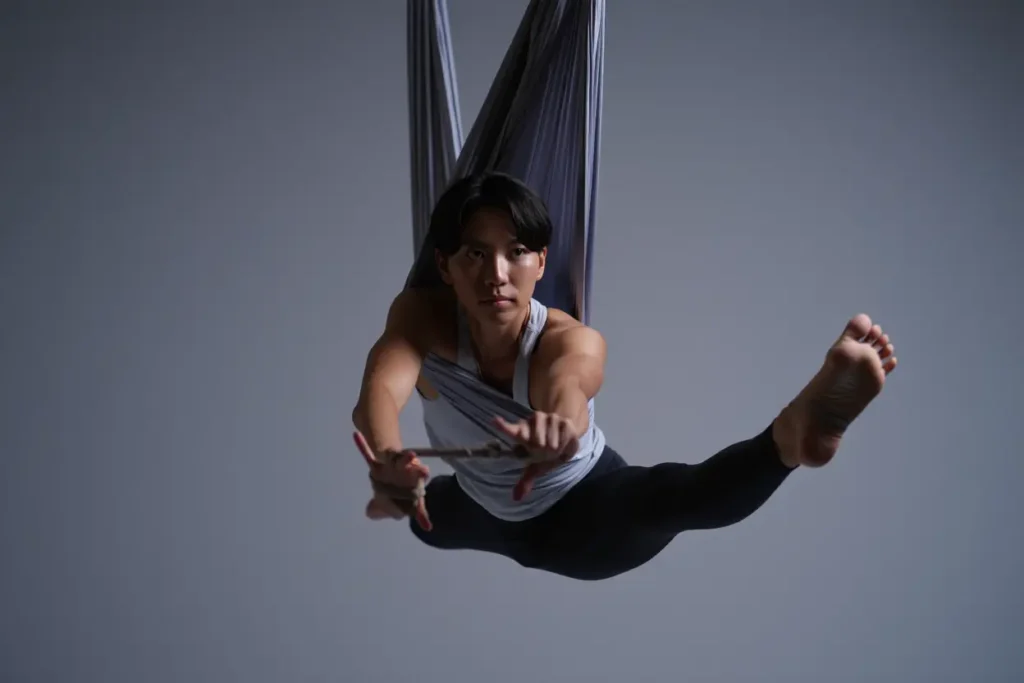
Proprioception Training for Better Body Awareness
Balancing on the hammock challenges your body’s sense of position (proprioception), which helps refine balance and coordination in a short period. Because the fabric shifts with your movements, smaller stabilizer muscles activate constantly to keep you properly aligned—fine-tuning both core control and overall posture. Combining focused breathing with suspension creates a moving meditation that enhances mental clarity, extends your attention span, and strengthens your nervous system, offering benefits that last long after your practice.
- Stabilizer muscle engagement: Small postural muscles fire with every subtle adjustment, improving your reaction time and overall coordination.
- Real-world carryover: Better stability on one leg directly benefits everyday tasks, like walking on uneven surfaces, and boosts athletic performance.
- Concentration lift: Staying focused while suspended fosters mindfulness, which can sharpen your focus at work and support cognitive health.
A 2019 study involving recreational aerial artists showed notable improvements in flexibility, balance, and muscular strength compared to those practicing traditional yoga. Regular aerial yoga practice effectively trains your vestibular system and deepens body awareness—proof that this discipline offers neurological benefits alongside physical ones.
Is Aerial Yoga Good for Weight Loss and Cardio Health?
A typical 50-minute class burns between 300–350 calories, placing it in the low-to-moderate aerobic range. Dynamic movements like swings, leg lifts, and flowing transitions elevate your heart rate while being gentle on your joints. Continuous muscle engagement keeps your metabolism active, supporting fat loss and improving cardiovascular health—all without high-impact stress or jumping.
Studies indicate that regular aerial yoga practice can lead to notable decreases in blood pressure and cholesterol levels. Since the hammock supports your body weight, you’re able to sustain movement—and heart rate—for longer periods comfortably. This fusion of suspension-based strength training, inversions, and aerobic exercise creates a comprehensive, joint-friendly fitness routine.
Even short bursts of dynamic moves, like suspended mountain climbers, intensify your cardio workout without impact. The blend of strength, flexibility, and rhythmic motion helps build lean muscle, enhance mobility, and support sustainable weight management.
Joint-Friendly Exercise for Injury Recovery and Arthritis
The fabric hammock supports your weight, redistributing pressure away from your knees, hips, ankles, and lower spine. Gentle traction supports healthy alignment, nourishes cartilage, and makes aerial yoga ideal for individuals with arthritis or those recovering from injuries. You can safely rebuild strength and mobility without aggravating pain or straining your joints.
- Lower loading: Partial weight-bearing reduces stress on joints while still providing a full-body workout.
- Fluid transitions: Smooth, suspended movements eliminate jarring impacts often associated with floor exercises.
- Enhanced mobility: Gentle spinal decompression encourages synovial fluid circulation, improving joint health and range of motion.
- Therapeutic guidance: Certified instructors can tailor each session to individual needs, aligning with medical recommendations for a safe, effective recovery.
Physical therapists increasingly use aerial yoga in rehabilitation for shoulder issues, lower back strain, and post-surgery limitations. The practice strengthens supporting muscles, improves balance and coordination, and boosts circulation, all while protecting recovering tissues. With professional guidance, participants regain confidence, restore core strength, and return to daily life with reduced or eliminated pain.
Mental and Emotional Benefits of Aerial Yoga Practice
Beyond the hammock, a regular aerial yoga practice offers a wide spectrum of benefits for your overall well-being. It not only enhances your aerobic capacity, builds core strength, and supports cardiovascular health but also promotes mental clarity through mindful breathing and focused movement. These practices work together to reduce stress, boost cognitive function, and support lasting mental health. Discover how embracing yoga health benefits can lead to profound personal growth and sustained mental wellness.
Stress Relief and Mood Enhancement Through Suspension
The gentle, rhythmic swaying of the hammock, combined with conscious breathing, activates the body’s relaxation response, lowering heart rate and reducing cortisol levels by up to fifteen percent in just ten minutes. This calming effect triggers the release of endorphins—boosting mood and offering noticeable anxiety relief after just eight weeks of practicing twice weekly. The benefits of aerial yoga stretch far beyond the physical, delivering tangible improvements in emotional balance that stay with you long after class ends.
Moving freely in three dimensions sparks creativity and mental flexibility, encouraging you to break out of habitual thought patterns and sharpen your problem-solving skills. Many students find a sense of playful joy during their practice, which builds positive connections to exercise, increases motivation, and helps form lasting habits for ongoing mental wellness.
| Stress Reduction Metric | Measured Change | Timeline |
| Cortisol levels | 15% decrease | Within 10 minutes |
| Anxiety symptoms | Significant reduction | 8 weeks of twice-weekly practice |
| Depression scores | Notable improvement | Consistent aerial practice |
| Concentration scores | 30% increase | One month of regular classes |
| Sleep quality | Faster sleep onset, deeper REM | After regular sessions |
Many people find they fall asleep more quickly and experience deeper, more restorative sleep after class. This deep relaxation comes from the balanced effort, breath control, and mental focus practiced during aerial yoga—all of which support the recovery sleep that’s essential for good posture, strong immunity, and overall mental health.
Building Confidence and Overcoming Fear with Inversions
Mastering new inversions and aerial poses builds both physical and mental strength, along with greater body awareness and confidence. Overcoming the initial hesitation of hanging upside-down in a safe, supportive environment can translate into greater resilience when facing life’s daily challenges—cultivating a growth mindset and reinforcing mental wellness. Every new skill achieved is proof that you can push past perceived limits, both on and off the silk.
- Mastery and achievement: Gradually building new skills gives you tangible evidence of your progress, which boosts self-esteem and encourages positive self-talk.
- Fear transcendence: Safely practicing inversions teaches your nervous system to stay calm under pressure, building emotional resilience over time.
- Growth mindset development: Making step-by-step progress in your aerial practice strengthens your belief in your own ability to adapt and grow mentally.
- Positive self-image transformation: Seeing improvements in your posture, flexibility, and core strength naturally enhances body confidence and overall mental outlook.
A 2019 study found that regular participation in aerial arts was associated with lower depression scores, reduced perceived stress, and a thirty-percent boost in concentration. These psychological benefits, paired with clear physical progress, create lasting health benefits that positively impact all areas of life.
Circulation Benefits for Skin Health and Lymphatic Flow
Inverted poses enhance circulation, directing fresh oxygen and nutrients to your face—often giving you a healthy, radiant glow after just a few sessions. Gentle traction on the spine also supports lymphatic drainage, which reduces puffiness and aids in natural detoxification for clearer skin and joint relief. Suspended postures promote healthy blood flow, which can support collagen production, slow the visible signs of aging, and boost overall vitality.
Releasing tension in your facial muscles while inverted can soften fine lines, while reducing swelling in the lower body—especially after long periods of sitting—demonstrates the wide-ranging benefits of aerial yoga. Taken together, these advantages highlight how improved circulation, flexibility, and core engagement work in harmony to deliver comprehensive health benefits and lasting wellness for both body and mind.
Frequently Asked Questions
Is aerial yoga good for beginners?
Yes, absolutely! Our aerial yoga classes at Aayana Yoga Academy are specifically tailored for beginners, with hammocks adjusted to comfortable heights for all ages. Our certified instructors guide you with clear, step-by-step instructions and gentle hands-on support, helping you master the techniques while feeling completely secure.
Once you’ve received medical clearance, you can join regardless of your fitness level or joint concerns—we offer modifications to keep you safe while you make progress. This gradual approach allows your aerial yoga practice to grow with you, steadily building both your core strength and overall confidence.
How quickly will I see flexibility improvements from aerial yoga?
With consistent practice, you’ll typically notice flexibility improvements within just two to three weeks—especially if you attend sessions twice a week. The hammock supports your body weight, enabling deeper, more relaxed stretches that let you extend roughly 20% further than in traditional mat practices.
Within four to eight weeks, dedicated work on splits and hip openers can increase muscle length by several centimeters—all while protecting your spine. Regular decompression reduces joint pressure and helps connective tissues adapt gradually, improving overall alignment and offering lasting back pain relief.
Can aerial yoga help with back pain and posture problems?
Definitely. Aerial yoga uses gentle traction to create space between your vertebrae, alleviating pressure on lumbar discs and providing immediate relief from chronic discomfort. While suspended, your core activates to help stabilize the spine, building functional strength that supports better posture in daily life.
Inversions are especially helpful for counteracting the forward-head posture common among desk workers. They encourage an upright alignment and reduce tension in the neck and upper back. After just a few classes, many students experience improved spinal mobility, less joint stiffness, and better awareness of alignment throughout their day.
