
Choosing the right yoga teacher certification begins with identifying which yoga teacher training programs hold legitimate accreditation. This guide explains how a 200-hour yoga teacher training program meets global standards, highlights key curriculum components, and provides tips for evaluation—ensuring your chosen teacher training aligns with long-term career goals, whether you plan to teach in studios or retreats from Goa to California.
What qualifies as certified yoga teacher training
A certified yoga teacher undergoes structured training that blends hands-on practice with in-depth theory, ensuring a consistent standard of professional competency. Accredited yoga teacher training programs adhere to internationally recognized benchmarks accepted by wellness centers, independent studios, and corporate employers. This allows graduates to confidently teach a variety of classes and credibly advance their teaching careers.
Understanding 200-hour certification requirements
A 200-hour yoga teacher training certification integrates roughly 100 hours of practical yoga instruction with 100 hours of theory, equipping trainees with the skills needed to become proficient instructors. To meet yoga alliance certification standards, programs must include documented contact hours, supervised teaching practicums, and comprehensive exams that assess both personal understanding and teaching ability.
Since this foundational training covers the essential skills required for beginner and intermediate classes, graduates can register as RYT instructors and teach with confidence—anywhere from yoga studios in India and retreats in Goa to venues across the globe. These programs track attendance, evaluate trainee knowledge, and ensure integration of yoga philosophy and anatomical safety throughout the teacher training experience.
- Practical yoga component: 100 hours dedicated to asanas, pranayama (including techniques like Kapalabhati and Anuloma Viloma), and daily meditation.
- Theory and philosophy: 100 hours covering Darshanas, Patanjali’s Yoga Sutras, anatomy, and the ethical responsibilities of a yoga teacher.
- Teaching practicum: At least 10 supervised classes with feedback on sequencing, cueing, hands-on adjustments, and classroom management.
- Final certification exam: Written and practical assessments covering yoga philosophy, anatomy, class sequencing, and safe student adjustments.
After completing all required hours, trainees receive logs, assessment results, and a diploma verifying their yoga teacher training certification, confirming their readiness to teach worldwide as a certified yoga teacher.
International accreditation bodies and standards
The yoga alliance certification system is the most widely recognized benchmark for yoga teacher training worldwide. Other respected organizations include the British Wheel of Yoga, European Union of Yoga, and India’s Ministry of AYUSH—each ensuring yoga teacher training programs remain ethical, comprehensive, and portable across international borders.
Accredited schools validate faculty credentials, uphold transparent assessment processes, and provide clear routes for continuing education, protecting both students and instructors. Attaining yoga alliance certification also offers access to worldwide networks, insurance benefits, and employment opportunities within studios, resorts, and corporate wellness programs.
Curriculum components and exam requirements
A well-structured yoga teacher training program combines daily asana, pranayama, meditation, yoga philosophy, anatomy, and teaching techniques. This holistic approach deepens personal practice while building the communication skills essential for leading safe and inclusive classes.
Final exams evaluate both theoretical knowledge and practical ability; trainees must demonstrate the capacity to design logical sequences, deliver clear alignment cues, and perform respectful adjustments. Passing these assessments confirms readiness to teach diverse student groups upon completion of a 200-hour yoga teacher training.
Choosing the Right Yoga Teacher Training Program
Finding the perfect yoga teacher training program goes beyond simply reading a brochure. It requires careful consideration of the teaching philosophy, the lead instructor’s experience, facility quality, setting, and community support. You should also compare eligibility requirements, accreditation levels, and learning formats to ensure the program’s schedule, pace, and teaching style align with your life. A thorough evaluation upfront ensures your investment of time and money leads to meaningful growth as a future yoga teacher.
Eligibility Criteria and Program Formats
To enroll in a teacher training course, you must typically be at least 18 years old and have a secondary school certificate—previous teaching experience is not always mandatory, as many newcomers excel alongside more experienced practitioners. What truly matters is a genuine desire to learn, a commitment to consistent practice, and the willingness to attend all required hours, assignments, and teaching practicums. Before you commit, decide which format—residential, hybrid, or online—works best for your lifestyle.
- Residential intensive format: Immerse yourself on campus for three to six weeks, with intensive daily training of around ten hours, and earn your certification quickly.
- Hybrid modular programs: Blend self-paced online theory with periodic on-site workshops—ideal for those juggling work, family, or travel.
- Online delivery options: Learn anatomy, philosophy, and sequencing remotely, then participate in brief in-person sessions for teaching practice and evaluation.
- Weekend batch programs: Spread out your learning over several months through evening and weekend classes, allowing for steady progress without disrupting your daily life.
How to Verify Program Quality and Accreditation
Always verify that the school is registered with Yoga Alliance, the Indian Yoga Association, or the Ministry of AYUSH—this ensures the curriculum adheres to global standards for content and contact hours. Carefully review the faculty’s credentials: lead trainers should have at least 500 hours of training and experience across multiple yoga styles. Smaller teacher-to-student ratios—ideally around 1:15—enable personalized alignment feedback and build authentic teaching confidence.
- Yoga Alliance verification: Check the school’s online profile to confirm it outlines the approved syllabus, assessment methods, and graduation requirements.
- Instructor credentials documentation: Ask for proof of advanced certifications, teaching logs, and specialized experience relevant to your preferred yoga style.
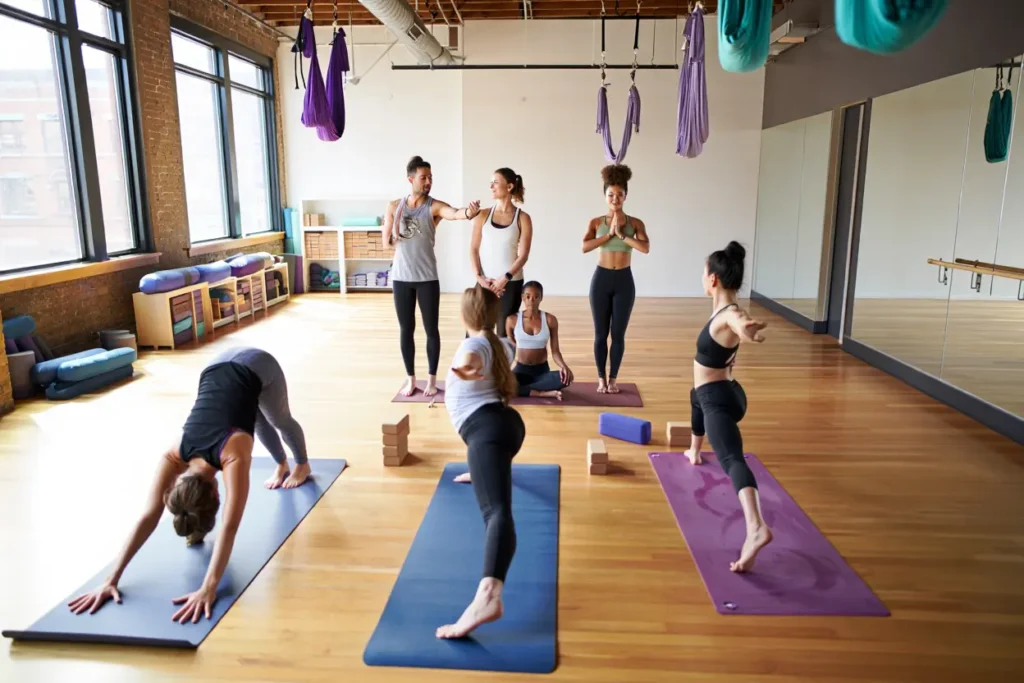
- Facility assessment: Look for spacious, well-ventilated studios, quality props such as blocks and aerial hammocks, and clear demonstration areas that support safe practice.
- Alumni feedback review: Seek out independent reviews that describe graduates’ career progressions, such as studio placements, retreat leadership roles, or corporate wellness opportunities.
Reputable yoga teacher training programs share outcome data showing where their graduates teach—whether in studios, retreat centers, or online. Independent reviews also shed light on the quality of mentorship, community support, and how well-prepared new instructors felt when starting their teaching journey.
Duration Options from Intensive to Modular
An intensive residential course in India often spans 21–30 days, condensing over 200 study hours into a focused immersion. This format appeals to international travelers and dedicated practitioners, though the fast pace may be intense for those who prefer more time to absorb each lesson.
Modular or hybrid teacher training programs extend learning over several months through weekend intensives or blended online-offline modules. This format suits professionals, parents, and learners who prefer to integrate materials gradually. Fully online teacher training certification programs—especially those focusing on prenatal, aerial, or yin yoga—offer scheduling flexibility while including live coaching sessions essential for developing hands-on teaching skills.
A yoga studio in India offers a comprehensive yoga teacher training program, weaving traditional wisdom with contemporary methods. The curriculum guides aspiring instructors through theory, practice, and personal growth, covering various styles—such as Hatha, Vinyasa, Yin, Aerial, Prenatal, and Sound Healing—with an emphasis on alignment, therapeutic techniques, and philosophy. With experienced, internationally certified teachers, modern facilities, and personalized guidance, this program culminates in a globally recognized credential that opens doors to teaching opportunities around the world through its yoga teacher training.
| Program Format | Duration | Daily Hours | Best For |
| Intensive Residential | 3-6 weeks | 10 hours | Dedicated practitioners, international students |
| Modular Weekend Batches | 4-6 months | 6-8 hours weekends | Working professionals, local students |
| Hybrid Online-Offline | 3-6 months | 5-7 hours blended | Flexible learners, remote participants |
| Fully Online TTC | 2-4 months | 4-6 hours self-paced | Geographic flexibility, theory focus |
Best Yoga Teacher Training Locations in India
India serves as a vibrant backdrop for immersive yoga teacher training, with each region offering its own unique atmosphere for study and personal growth. The climate, local culture, natural environment, and community spirit all influence the day-to-day rhythm of your training, directly affecting your focus and overall inspiration. Choosing a setting that resonates with you personally will help you stay motivated and engaged throughout your yoga teacher training program.

Top Cities for Immersive TTC Experiences
Rishikesh continues to be the top choice for dedicated practitioners, offering a blend of vibrant ashram energy and peaceful riverfront zones perfect for deepening your hatha vinyāsa practice. With affordable accommodations, plenty of vegetarian dining options, and an abundance of experienced yoga teachers, it provides an ideal environment for any 200-hour yoga teacher training. Facilities range from traditional ashrams steeped in ancient practices to modern studios equipped with up-to-date amenities and anatomy resources.
Varkala, perched along Kerala’s dramatic cliffs, offers peaceful beaches, a gentle coastal climate, and proximity to Ayurvedic treatments that wonderfully complement your yoga training. Goa attracts those who appreciate balancing a rigorous multi-style yoga teacher training with relaxing beach swims and laid-back cafés. In contrast, the tranquil outskirts of Mysore, near the Kaveri River, offer a more rural setting—ideal for those looking to escape city noise and cultivate deep, uninterrupted focus during their TTC experience.
Specialized Hatha and Vinyāsa Programs
Aayana Yoga Academy offers a 25-day intensive that masterfully blends classical hatha yoga alignment with creative flow, equipping every future yoga teacher with the confidence to guide both static holds and dynamic sequences. Their hatha vinyasa training includes daily teaching practice, one-on-one mentorship, and an internationally recognized yoga teacher training certification valid both in India and abroad. Graduates leave fully prepared to lead mixed-level classes, create thematic workshops, and continue their education with advanced yoga teacher training programs anywhere in the world.
Specialized hatha programs dive deep into micro-alignments, subtle body anatomy, and therapeutic modifications—ensuring safety for all body types while improving strength and flexibility. Vinyāsa yoga courses, on the other hand, focus on the connection between breath and movement, intelligent sequencing, and smooth transitions that build both cardiovascular health and mental clarity. Some multi-style yoga teacher training programs also incorporate disciplines like yin, aerial, or restorative yoga, broadening your teaching skillset and opening doors to studio, retreat, corporate, and online teaching opportunities.
Comparing Ashram Versus Modern Studio Settings
Traditional ashrams immerse students in community living, daily meditation, chanting, and scriptural study—nurturing both spiritual growth and teaching skills. Simple shared accommodations, structured daily routines, and guidance from a resident teacher build discipline, though they may feel challenging for those accustomed to more comfort. This environment is perfect for students who value authenticity, introspection, and budget-friendly yoga teacher training India options.
Modern studio settings prioritize professional infrastructure—private rooms, well-balanced meals, and anatomy-focused instruction led by internationally certified teachers. With more flexible schedules and professional development workshops, these programs appeal to those eager to quickly enter the global yoga teaching market. While tuition is often higher and spiritual practices less emphasized, the modern approach is highly effective for mastering contemporary hatha vinyāsa, vinyāsa yoga, and multi-style teaching methods.
Both environments offer globally recognized 200-hour yoga teacher training certifications and produce highly capable yoga teachers. The best choice depends on your preferred learning style, spiritual aims, and budget. Many students begin with an ashram-based TTC for foundational depth, then pursue studio-led yoga teacher training programs to refine their professional skills—preparing them for a well-rounded career in teaching, whether in Rishikesh, Goa, or anywhere else in the world.
Career Opportunities After Yoga Teacher Certification
Completing a yoga teacher training certification opens up a world of exciting possibilities, allowing every newly certified yoga teacher to build a rewarding and sustainable career. With your certification in hand, you can immediately start teaching yoga at established studios or create your own independent classes, lead corporate wellness programs, and facilitate transformative retreat experiences. Your success will depend on your chosen specializations, business skills, networking efforts, and commitment to ongoing professional development.
Professional Pathways for Newly Certified Teachers
Often, newly certified yoga teachers begin their journey by teaching beginner or mixed-level group classes at local studios. This is a fantastic way to build valuable classroom experience while developing your unique teaching voice. These initial career pathways frequently expand to include specialized workshops, private lessons, and corporate contracts as you gain more teaching hours, build your reputation, and cultivate a dedicated community of students.
- Studio employment: Lead regular classes on a part-time or full-time schedule. This provides a stable income while you build recognition for your name and style.
- Freelance teaching: Offer sessions across a variety of locations—such as studios, corporate offices, and private homes—to enjoy flexible hours and diversify your income streams.
- Business ownership: Channel your entrepreneurial spirit by opening your own studio, developing an online teaching platform, or hosting retreats—all built upon the foundation of your yoga teacher training.
Connecting with alumni networks can be incredibly beneficial, as they often provide mentorship, job boards, and collaborative events. These resources are designed to accelerate your professional development and help you navigate the common challenges of starting out. Experienced mentors can offer guidance on everything from class management and pricing to student retention, steering you toward a sustainable and successful career in teaching yoga.
Advanced Certifications and Specializations Available
For those looking to deepen their expertise, pursuing a 500-hour yoga teacher training is a logical next step. This advanced program builds on your 200-hour foundation with in-depth study of sequencing, anatomy, philosophy, and teaching methodology. Completing this level often allows you to earn the distinguished RYT 500 and E-RYT designations, which can lead to higher teaching fees and opportunities to mentor future instructors through teacher training programs.
Specialized courses—like prenatal yoga, children’s yoga, aerial yoga, Yin, and sound healing—enable instructors to serve specific niche markets and enrich their professional profiles. For example, those who complete a dedicated Yin Yoga teacher training gain profound expertise in slow, meditative postures that target deep connective tissues and promote deep relaxation. Committing to this continuous learning not only helps maintain your certification status but also showcases your dedication to growth, keeping you competitive as a certified yoga teacher within the ever-evolving wellness industry.
Frequently Asked Questions
What qualifications do yoga teachers need to teach professionally?
To teach yoga professionally, you’ll need to complete a 200-hour yoga teacher training program that’s accredited by Yoga Alliance or a similar organization. This comprehensive yoga teacher training certification typically includes approximately 100 contact hours of practical classes and another 100 hours covering anatomy, philosophy, teaching methodology, and supervised practice. Upon completion, you’ll become a registered yoga teacher (RYT-200), which qualifies you for studio positions, corporate wellness roles, and opportunities for continued professional development.
How long does yoga teacher training typically take to complete?
The duration of a 200-hour yoga teacher training program varies based on its format. Some TTC programs offer intensive residential immersions that last three to six weeks, while others follow a modular schedule with weekend classes spread over four to six months. Many contemporary yoga teacher training programs now offer hybrid options, combining online theory with in-person sessions. This flexible approach allows trainees to complete the required hours at their own pace while still meeting all certified yoga teacher accreditation standards.
What career opportunities exist after completing a 200-hour yoga teacher training certification?
Graduating from a yoga teacher training program opens numerous doors for a certified yoga teacher. You can teach regular studio classes, lead corporate wellness sessions, or develop a private client base. As you continue your professional development, this foundational yoga teacher training can evolve into diverse opportunities such as leading retreats, conducting workshops, teaching on online platforms, or even studio ownership. The registered yoga teacher (RYT) credential transforms that initial 200-hour yoga teacher training into the start of a rewarding and multifaceted career.
